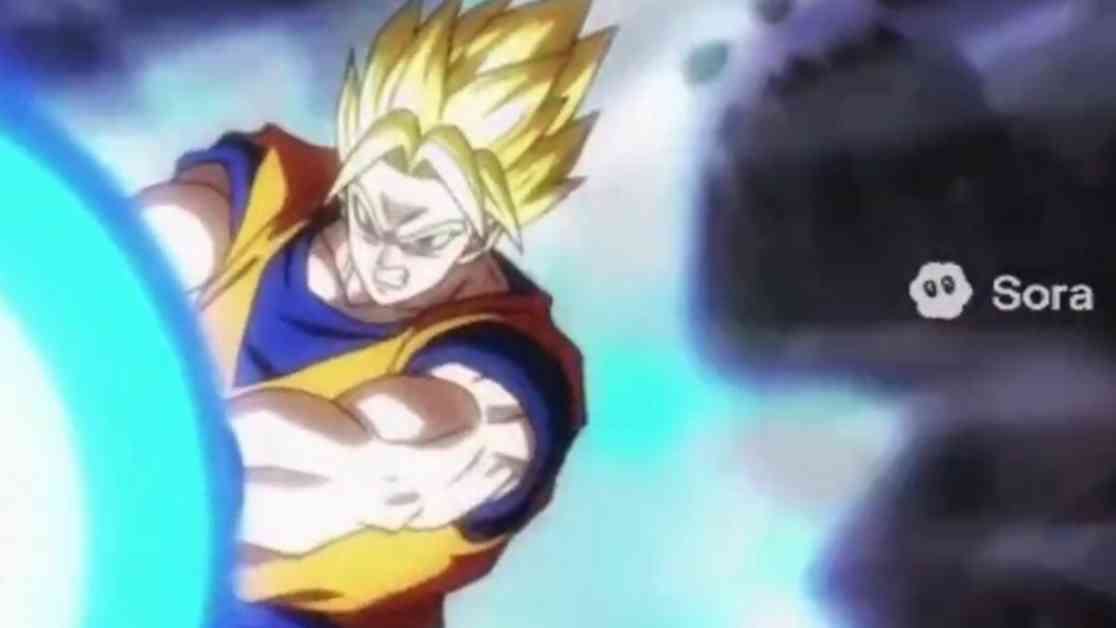
Generative AI just keeps on causing chaos in the creative industry. Despite the whole copyright mess and legal battles, companies like OpenAI are still going strong with training their models on licensed artwork. OpenAI recently released the updated “Sora 2” model on September 30, much to the dismay of copyright holders. The app defaults to training on copyrighted material, putting the onus on the owners to opt out. This has led to a flood of AI-generated content featuring popular characters making their way onto the internet. People are already testing out Sora 2 on classic anime, with mind-blowing results that are sure to inspire fan creations and parodies.
The situation is getting even more out of hand with videos surfacing of iconic characters like Pikachu and SpongeBob SquarePants engaging in bizarre activities like ASMR and boxing matches. Sora 2 seems capable of generating videos of almost any copyrighted material you throw at it, disregarding the usual rules around copyright. Companies like Nickelodeon and Nintendo now have to reach out to OpenAI to stop the unauthorized use of their characters, rather than the other way around. It’s a bold move, especially when other companies like Disney and Warner Bros. are already suing similar companies for copyright infringement. The Magic: The Gathering artists have even taken legal action against a company for using their artwork to train generative AI models.
As if the copyright infringement wasn’t enough, Sora 2 also allows users to create deepfakes of themselves or public figures. The app’s TikTok-like feed lets you endlessly scroll through the generated videos, some of which feature deepfakes of real people despite OpenAI claiming to have safeguards in place. There have been reports of disturbing content, such as a blackface version of Scarlett Johansson performing in Hamilton. This isn’t the first time OpenAI has faced legal troubles over using someone’s likeness without permission. The whole situation seems like a recipe for multiple legal battles in the making, leaving artists and animators disheartened at the thought of animation companies turning to AI to cut costs at the expense of human creativity.
Even though AI-generated videos may be improving in quality, they still have noticeable flaws that give away their artificial origins. The fluidity and action-packed scenes created by Sora 2 still exhibit unnatural shifts and glitches in the animation. Those who prioritize cost-cutting over quality are likely to embrace AI as the future of animation, leaving real artists and their audiences in the lurch. It remains to be seen whether IP lawyers will intervene to put a stop to this trend, but it often feels like a game of whack-a-mole where one AI slop machine gets shut down only for another one to pop up in its place. The future of animation may be uncertain, but one thing is clear: the battle between human creativity and AI efficiency is far from over.