EA’s $55 billion sale to Saudi Arabia Raises Concerns
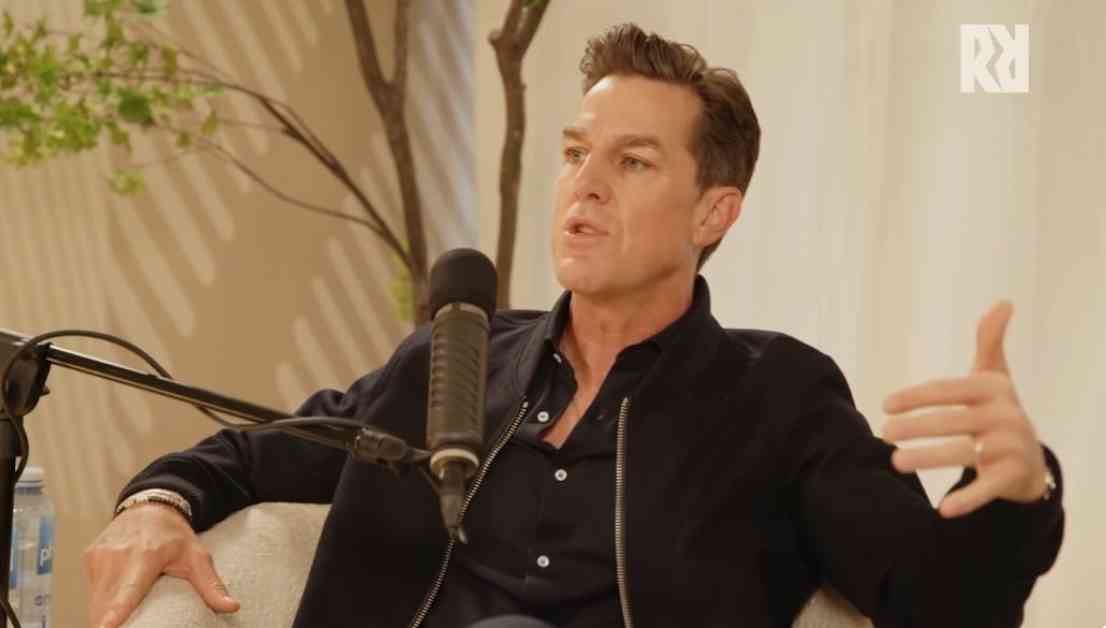
The $55 billion sale of Electronic Arts to Saudi Arabia’s Public Investment Fund and a group of other private equity investors is causing quite a stir in the gaming industry. Some people stand to make a fortune from this deal, while others may face the harsh reality of losing their jobs as the interest on the debt-financed part of the leveraged buyout starts to pile up. CEO Andrew Wilson, who will continue to lead the company even after the acquisition is finalized, expressed his gratitude towards his employees in a heartfelt email. He praised their creativity, innovation, and passion, crediting them with building iconic intellectual properties, creating inspiring stories, and shaping culture through interactive experiences.
Wilson’s email to the company’s staff emphasized the importance of their hard work and dedication, acknowledging that everything EA has achieved and will achieve in the future is all thanks to them. The sale will see EA stockholders, including Wilson himself, receiving $210 per share. Despite the generous payout, there are concerns about the massive amount of debt involved in the buyout, totaling a staggering $20 billion. This debt could result in significant interest payments annually, potentially exceeding the budgets of several blockbuster games each year.
Exciting Times Ahead for EA
As Wilson looks towards the future, he sees the sale as a gateway to new opportunities for EA. The investment from the new partners is touted as one of the largest in the entertainment industry, signaling a significant shift for the company. Wilson expressed confidence in the new partners, highlighting their expertise in sports, gaming, and entertainment. He reassured employees that EA’s core values and commitment to players worldwide remain unchanged, promising to continue delivering innovative and transformative experiences.
The road ahead may not be without its challenges, as questions linger about the impact of the new ownership on creative freedom within the company. Some employees have raised concerns about the return-to-office policy implemented earlier in the year, which could potentially lead to layoffs. Additionally, the sale raises doubts about Saudi Arabia’s human rights record and how it may influence EA’s public messaging, particularly regarding events like Pride celebrations across its franchises. Despite these uncertainties, Wilson remains optimistic about the future, emphasizing the importance of unity and vision in shaping EA’s path forward.
In the midst of these changes, one thing is clear: EA is on the cusp of a new chapter in its history. The sale marks a significant milestone for the company, ushering in a wave of possibilities and challenges. As EA prepares to navigate this transition, the dedication and passion of its employees will undoubtedly play a crucial role in shaping the future of the gaming giant. With a blend of excitement and apprehension, the gaming community watches on as EA embarks on this new journey, eager to see what lies ahead in this ever-evolving landscape.