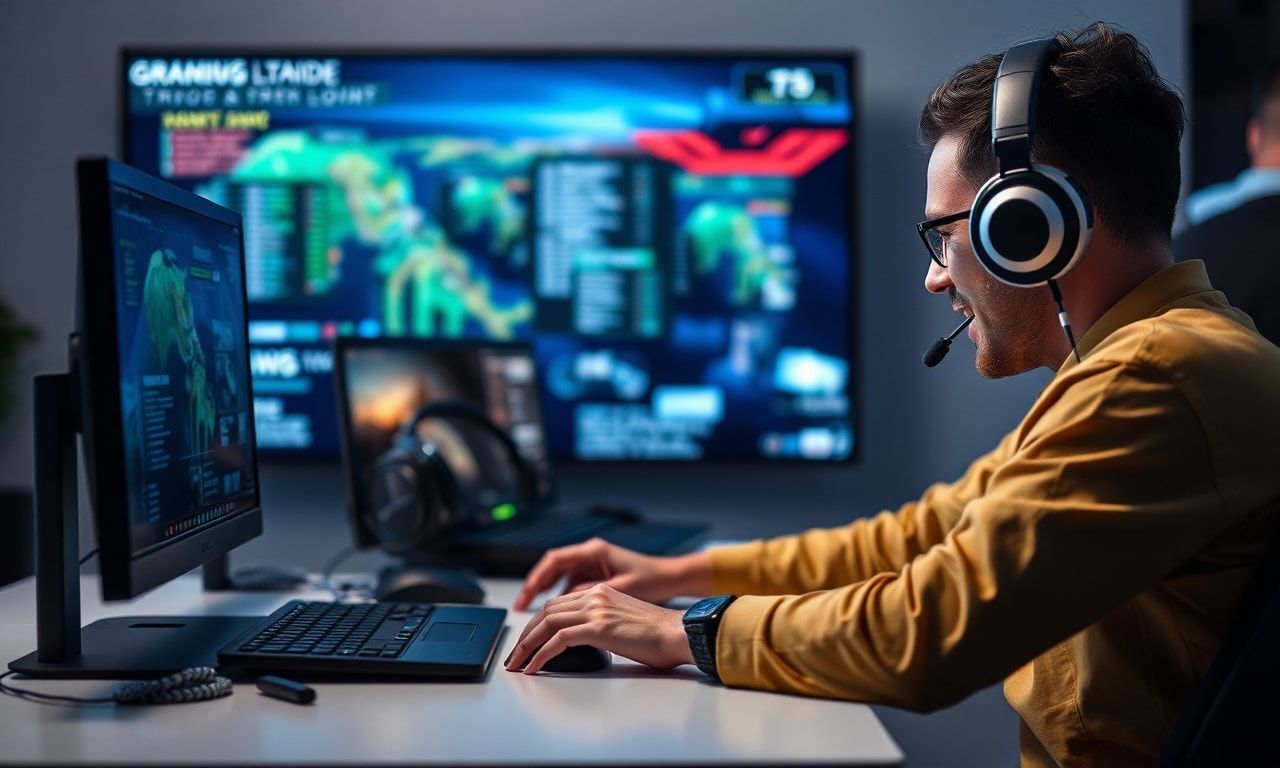
The Gaming Industry Embraces Remote Work
The gaming industry, known for its collaborative and creative environment, has been significantly impacted by the shift towards remote work. As companies worldwide adapt to new ways of operating, the gaming sector is finding innovative solutions to maintain productivity and creativity. This shift has been accelerated by the global pandemic, but it’s clear that remote work is here to stay, bringing both challenges and opportunities.
The Benefits of Remote Work in Gaming
Remote work offers several advantages for the gaming industry. Companies can tap into a global talent pool, hiring the best developers, artists, and designers regardless of their geographical location. This diversity can lead to more innovative and culturally rich games. Additionally, remote work can reduce overhead costs, as companies save on office space and utilities. Employees also benefit from a better work-life balance, which can boost morale and job satisfaction.
For those looking to maximize their productivity while working remotely, resources like the remote work tips productivity guide can be invaluable. These guides offer practical advice on time management, setting up a productive home office, and maintaining communication with team members.
Challenges and Solutions
Despite the benefits, remote work also presents challenges. Communication and collaboration can suffer when team members are not physically present. To mitigate this, gaming companies are investing in advanced communication tools and project management software. Regular virtual meetings and clear communication channels are essential to keep projects on track.
Another challenge is maintaining creativity and innovation. Gaming is a highly creative field, and the collaborative energy of a physical office can be hard to replicate remotely. Companies are addressing this by organizing virtual brainstorming sessions, hackathons, and game jams to foster creativity and team bonding.
Case Studies: Success Stories
Several gaming companies have successfully transitioned to remote work, setting examples for the industry. For instance, Riot Games, the developer behind League of Legends, has embraced remote work by providing employees with the necessary tools and support. They have seen increased productivity and employee satisfaction as a result.
Similarly, Ubisoft has implemented a flexible work policy, allowing employees to work remotely part of the time. This hybrid approach has helped the company maintain its creative edge while adapting to the new normal. These success stories demonstrate that with the right strategies, remote work can be highly effective in the gaming industry.
The Future of Remote Work in Gaming
The future of remote work in the gaming industry looks promising. As technology continues to evolve, new tools and platforms will emerge to facilitate remote collaboration and creativity. Virtual reality (VR) and augmented reality (AR) technologies could revolutionize the way teams work together, providing immersive environments for brainstorming and project management.
Moreover, the gaming industry is likely to see a rise in remote-first companies, where the entire workforce operates remotely. This could lead to even greater diversity and innovation, as companies can hire talent from all over the world without the constraints of physical offices.
In conclusion, the shift towards remote work in the gaming industry is a positive development that brings numerous benefits and opportunities. While challenges exist, they can be overcome with the right strategies and tools. As the industry continues to adapt, we can expect to see even more innovative and successful remote work models emerge.
In light of recent global climate discussions, our latest feature China’s climate commitment offers an in-depth look at the nation’s ambitious environmental goals.
In the midst of today’s fast-paced world, understanding time management can significantly boost productivity, as explored in our latest feature daily life efficiency tips.
As economic landscapes evolve, understanding financial management becomes crucial; explore smart money management strategies to navigate these changes effectively.