The Rise of Esports as a Global Phenomenon
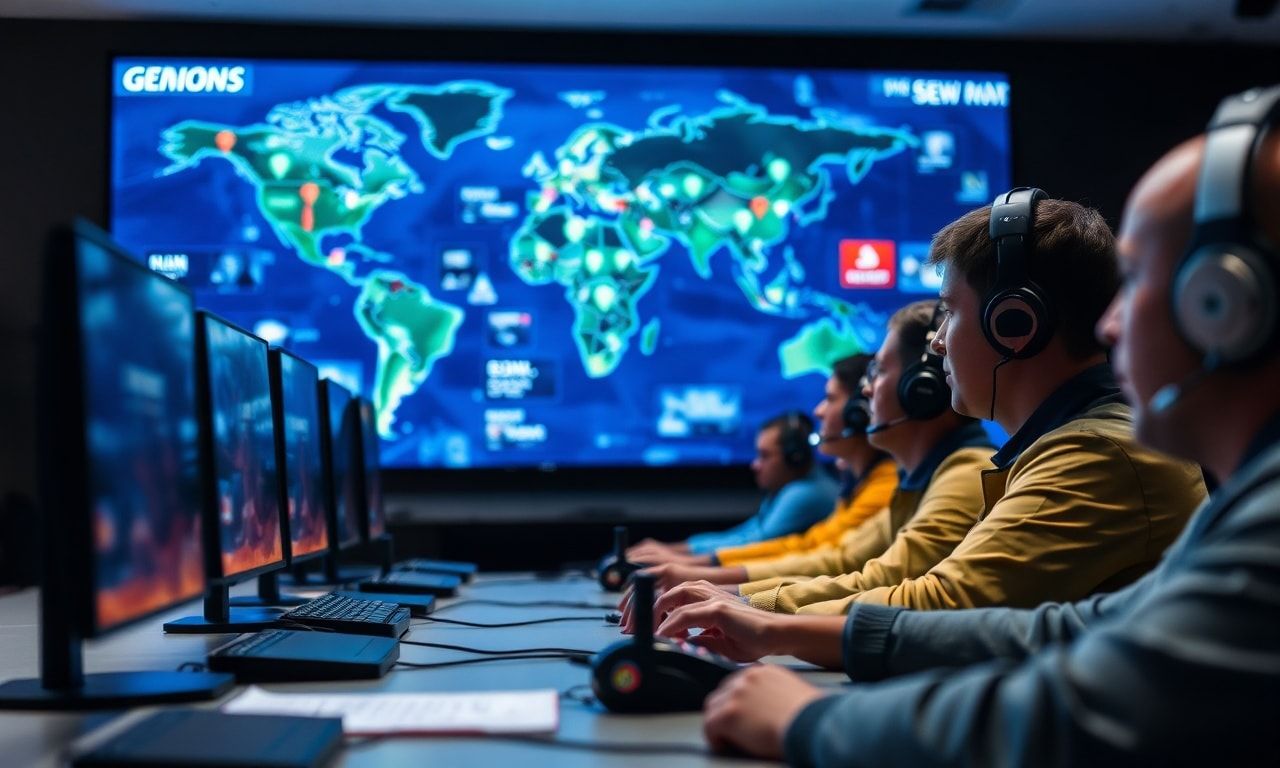
The world of competitive gaming, or esports, has experienced exponential growth over the past decade. What once started as small, local tournaments has evolved into a multi-billion-dollar industry with professional players, sponsorships, and global tournaments. This meteoric rise has not only transformed the gaming landscape but has also caught the attention of policymakers and international relations experts. The intersection of esports and global politics is becoming increasingly evident, with events and tournaments serving as platforms for cultural exchange and diplomatic engagement.
The Role of Esports in International Relations
Esports has emerged as a new frontier in international relations, offering a unique platform for countries to engage in friendly competition and cultural exchange. Unlike traditional sports, esports transcends physical boundaries, allowing players from different countries to compete in virtual arenas. This digital nature of esports makes it an ideal medium for fostering international goodwill and cooperation. Governments and international organizations are beginning to recognize the potential of esports in promoting diplomacy and soft power.
One notable example is the inclusion of esports in the Asian Games, a decision that underscores the growing recognition of competitive gaming as a legitimate sport. This move has paved the way for other international sporting events to consider incorporating esports into their programs. The integration of esports into mainstream sports culture is a testament to its global appeal and potential as a tool for international diplomacy.
Case Study: The Global Esports Federation
The Global Esports Federation (GEF) is at the forefront of promoting esports as a vehicle for global unity and understanding. Founded in 2019, the GEF aims to bring together esports organizations, governments, and international bodies to foster collaboration and mutual respect. The federation’s initiatives include hosting international tournaments, promoting esports education, and advocating for the inclusion of esports in major sporting events. By leveraging the universal language of gaming, the GEF seeks to bridge cultural divides and promote peaceful coexistence.
The Impact of Esports on Local Economies
The economic impact of esports extends beyond the global stage, with local economies also reaping the benefits. Hosting international esports tournaments can bring significant economic gains to cities and regions, including increased tourism, job creation, and infrastructure development. For instance, the city of Düsseldorf has recognized the potential of esports and has been actively promoting the sector as part of its economic strategy. The city’s efforts have not only boosted its local economy but have also positioned it as a hub for esports in Europe. For more insights into Düsseldorf’s political and economic developments, you can visit Düsseldorf Nachrichten Politik 2026.
The Case of Düsseldorf: A Model for Esports Development
Düsseldorf’s approach to esports development serves as a model for other cities looking to capitalize on the growing industry. The city has invested in state-of-the-art esports facilities, supported local gaming communities, and hosted major international tournaments. These efforts have not only attracted top-tier esports talent but have also created a vibrant ecosystem that supports the growth of the industry. Düsseldorf’s success story highlights the potential of esports to drive economic growth and foster international collaboration.
The Future of Esports Diplomacy
As esports continues to gain traction on the global stage, its role in international diplomacy is expected to grow. The potential for esports to serve as a platform for cultural exchange and diplomatic engagement is immense. By bringing together players, fans, and policymakers from different countries, esports can help build bridges and promote mutual understanding. The future of esports diplomacy holds promise for a more connected and peaceful world.
Challenges and Opportunities
While the prospects for esports diplomacy are bright, there are also challenges that need to be addressed. Issues such as gaming addiction, cybersecurity, and the ethical implications of competitive gaming require careful consideration. However, with the right policies and initiatives, these challenges can be overcome, paving the way for a more inclusive and sustainable esports ecosystem. The opportunities for esports to contribute to global diplomacy and economic development are vast, and the industry is poised to play a significant role in shaping the future of international relations.