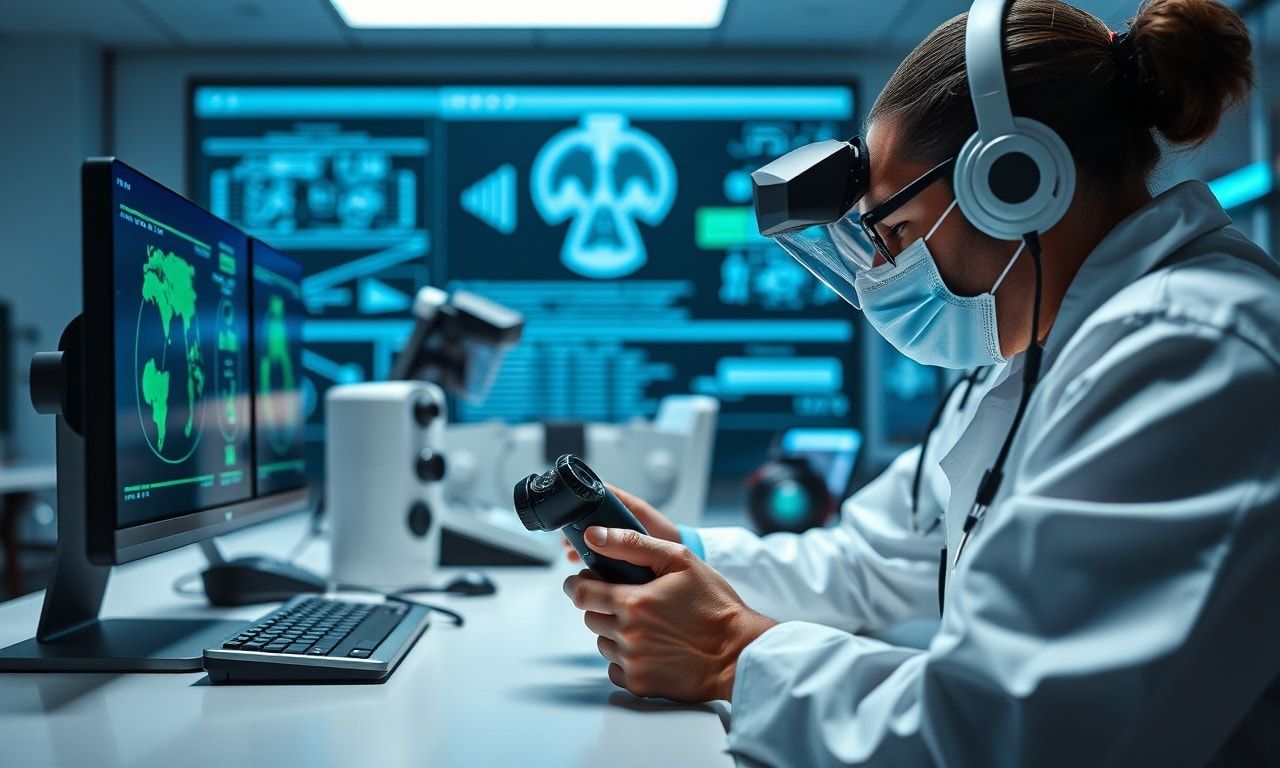
The Evolution of Gaming Technology
The gaming industry has come a long way since its inception, evolving from simple pixelated graphics to immersive virtual realities. Today, gaming technology is not only revolutionizing entertainment but also making significant strides in various other sectors, including medical research. The advancements in graphics, processing power, and interactive design have opened up new avenues for innovation, particularly in the field of healthcare.
One of the most notable examples of this intersection is the use of virtual reality (VR) and augmented reality (AR) in medical training and therapy. These technologies allow medical professionals to simulate complex surgeries and procedures, providing a safe and controlled environment for practice. Additionally, VR and AR are being used to treat conditions such as post-traumatic stress disorder (PTSD) and phobias, offering patients a new way to confront and manage their symptoms.
The Role of Gaming in Medical Research
The gaming industry’s contribution to medical research is not limited to technology alone. Gamers themselves are playing a crucial role in advancing scientific discoveries. Crowdsourcing platforms like Foldit, a puzzle-based game, have enabled gamers to contribute to protein folding research, leading to significant breakthroughs in understanding diseases like Alzheimer’s and Parkinson’s. This collaborative approach not only accelerates research but also engages a global community in the scientific process.
Moreover, the data collected from gaming platforms can provide valuable insights into human behavior and cognition. Researchers are leveraging this data to study various aspects of human psychology, from decision-making processes to emotional responses. For instance, studies have shown that playing certain types of games can improve cognitive functions such as memory, attention, and problem-solving skills. This research has implications for developing new therapeutic interventions and educational tools.
Bristol Medical Research Update
Recent developments in Bristol have highlighted the potential of gaming technology in medical research. According to a Bristol medical research update, local researchers are utilizing gaming platforms to study the effects of different therapies on patient outcomes. The findings from these studies are expected to inform the development of more effective treatment protocols and improve patient care. This collaboration between the gaming industry and medical researchers underscores the transformative potential of technology in healthcare.
The Future of Gaming in Healthcare
The future of gaming in healthcare looks promising, with several exciting projects and initiatives on the horizon. One such project is the use of exergames, which combine exercise with gaming, to promote physical activity and rehabilitation. These games are designed to make exercise more engaging and enjoyable, encouraging patients to adhere to their treatment plans. Additionally, the integration of artificial intelligence (AI) and machine learning (ML) in gaming platforms is expected to enhance personalized treatment and care.
Another area of growth is the use of gaming technology in mental health treatment. Virtual reality exposure therapy (VRET) is gaining traction as an effective treatment for anxiety disorders and PTSD. By creating controlled virtual environments, therapists can help patients confront their fears and develop coping strategies. This approach has shown promising results in clinical trials and is expected to become more widely available in the coming years.
Challenges and Considerations
Despite the numerous benefits of integrating gaming technology into healthcare, there are several challenges and considerations to address. One of the primary concerns is the cost and accessibility of these technologies. High-quality VR and AR equipment can be expensive, making it difficult for smaller healthcare facilities to adopt them. Additionally, there is a need for standardized training and certification programs to ensure that healthcare professionals are adequately equipped to use these technologies effectively.
Another challenge is the ethical and privacy implications of using gaming data for research purposes. Ensuring the confidentiality and security of patient data is paramount, and strict regulations must be in place to protect individuals’ privacy. Collaborative efforts between the gaming industry, healthcare providers, and regulatory bodies are essential to address these concerns and establish best practices.
Conclusion
The intersection of gaming and medical research represents a new era of innovation, offering unprecedented opportunities to improve healthcare outcomes. From virtual reality training to crowdsourced research, the gaming industry is playing a pivotal role in advancing medical science. As technology continues to evolve, the potential for further integration between gaming and healthcare is immense. By addressing the challenges and considerations, we can harness the full potential of gaming technology to create a healthier and more informed society.