The Evolution of Gaming in the Global Entertainment Landscape
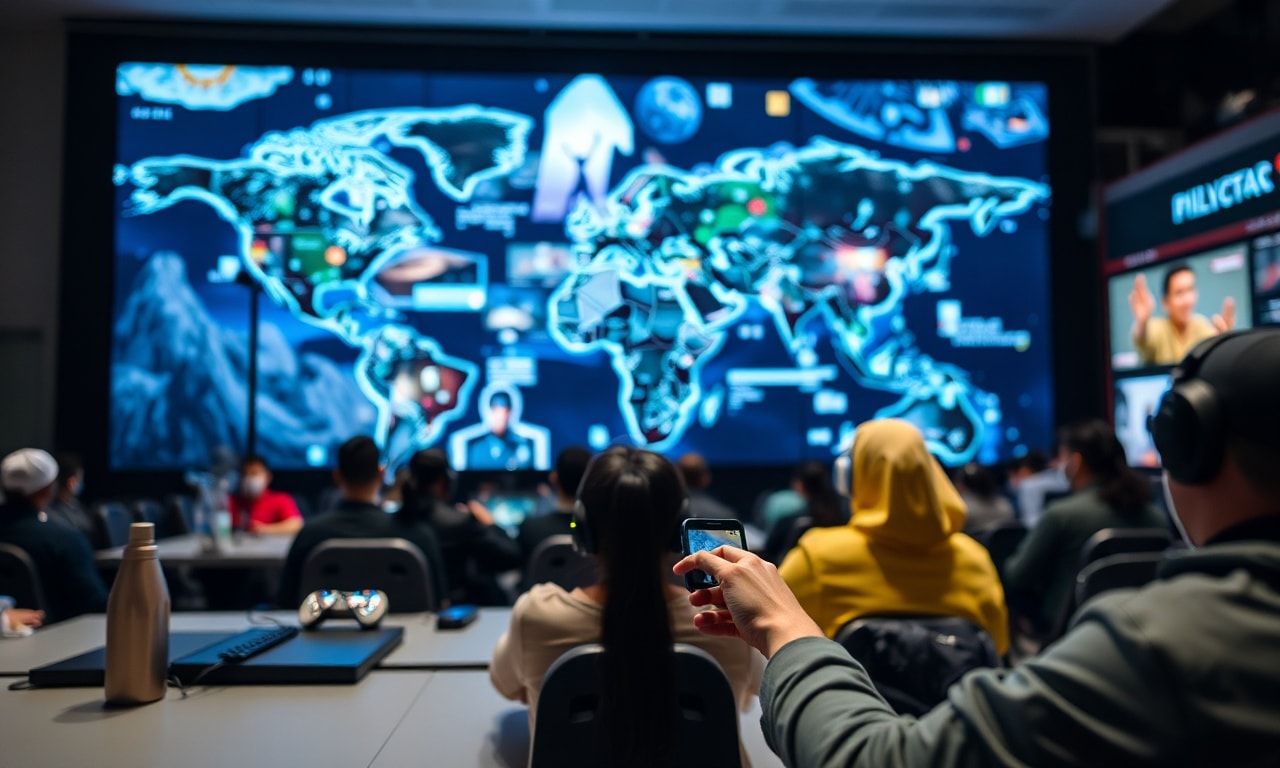
The gaming industry has undergone a remarkable transformation over the past few decades, evolving from a niche hobby into a global entertainment powerhouse. With the rise of esports, streaming platforms, and cross-cultural collaborations, gaming has become a significant player in the world of entertainment. This shift has not only expanded the reach of gaming but has also fostered a new era of cross-cultural exchange, bringing together diverse communities and industries.
The Rise of Esports and Its Global Impact
Esports has emerged as a pivotal force in the gaming industry, attracting millions of viewers and participants worldwide. Major esports tournaments, such as The International for Dota 2 and the League of Legends World Championship, draw massive audiences and offer substantial prize pools. These events have transcended geographical boundaries, uniting players and fans from different cultures and backgrounds. The global nature of esports has also paved the way for international collaborations and competitions, further solidifying gaming’s role in global entertainment.
One notable example of this cross-cultural exchange is the growing popularity of esports in Asia, particularly in countries like China and South Korea. These regions have become hubs for competitive gaming, hosting world-class tournaments and producing top-tier players. The success of Asian esports teams on the global stage has not only elevated the profile of gaming in these countries but has also inspired a new generation of players and fans.
The Influence of Streaming Platforms
Streaming platforms, such as Twitch, YouTube Gaming, and Douyu, have played a crucial role in the growth of the gaming industry. These platforms have provided a space for gamers to share their experiences, connect with audiences, and build communities. The rise of streaming has also democratized the gaming industry, allowing independent creators to gain recognition and build successful careers. This has led to a diverse range of content, from game walkthroughs and tutorials to live esports commentary and entertainment-focused streams.
The global reach of streaming platforms has facilitated cross-cultural exchange, enabling gamers from different regions to connect and share their experiences. For instance, popular streamers from North America and Europe have gained significant followings in Asia, and vice versa. This exchange has not only broadened the horizons of gamers but has also fostered a sense of global community within the industry.
Cross-Cultural Collaborations in Gaming
Collaborations between gaming companies and entertainment industries from different regions have become increasingly common. These partnerships have resulted in unique and innovative projects that cater to diverse audiences. For example, the collaboration between Riot Games and Tencent has led to the development of games like League of Legends and Honor of Kings, which have gained massive popularity in both Western and Eastern markets.
Moreover, the gaming industry has also seen collaborations with other entertainment sectors, such as film and music. For instance, the release of the movie “Free Guy” starring Ryan Reynolds showcased the potential of gaming narratives in mainstream cinema. Similarly, the Beijing International Film Festival has featured gaming-related content, highlighting the growing synergy between the gaming and film industries. For more insights into such events, you can visit the 北京电影节明星见面会.
The Future of Gaming in Global Entertainment
The future of gaming in the global entertainment landscape looks promising, with several trends and developments on the horizon. The continued growth of esports, the expansion of streaming platforms, and the increasing number of cross-cultural collaborations are set to shape the industry in the coming years.
The Role of Technology
Advancements in technology, such as virtual reality (VR) and augmented reality (AR), are expected to revolutionize the gaming experience. These technologies have the potential to create immersive and interactive environments, enhancing the way players engage with games. Additionally, the integration of artificial intelligence (AI) in gaming can lead to more personalized and adaptive gaming experiences, catering to the unique preferences and skills of individual players.
The Expansion of Esports
Esports is poised to continue its upward trajectory, with more countries and regions recognizing its potential and investing in its growth. The inclusion of esports in major international events, such as the Asian Games and the Olympic Games, is a testament to its growing legitimacy and global appeal. As esports continues to gain traction, it is likely to attract more sponsors, investors, and talent, further solidifying its position in the global entertainment landscape.
The Growth of Mobile Gaming
Mobile gaming has emerged as a significant segment of the gaming industry, with a substantial portion of global gamers accessing games through their smartphones. The convenience and accessibility of mobile gaming have contributed to its popularity, particularly in regions with limited access to traditional gaming platforms. As mobile technology continues to evolve, mobile gaming is expected to reach new heights, offering innovative and engaging experiences to a broader audience.
The intersection of gaming and global entertainment is a testament to the industry’s dynamic and evolving nature. As gaming continues to break barriers and foster cross-cultural exchange, it is set to play an increasingly significant role in the world of entertainment. The future of gaming holds immense potential, and its impact on global culture and society is only just beginning to unfold.
As the film industry continues to evolve, our latest feature exploring global cinema events offers a comprehensive look at the world’s most prestigious film festivals and their cultural significance.
You may also find The Evolution of Learning: Embracing New helpful as it covers related aspects of this subject.