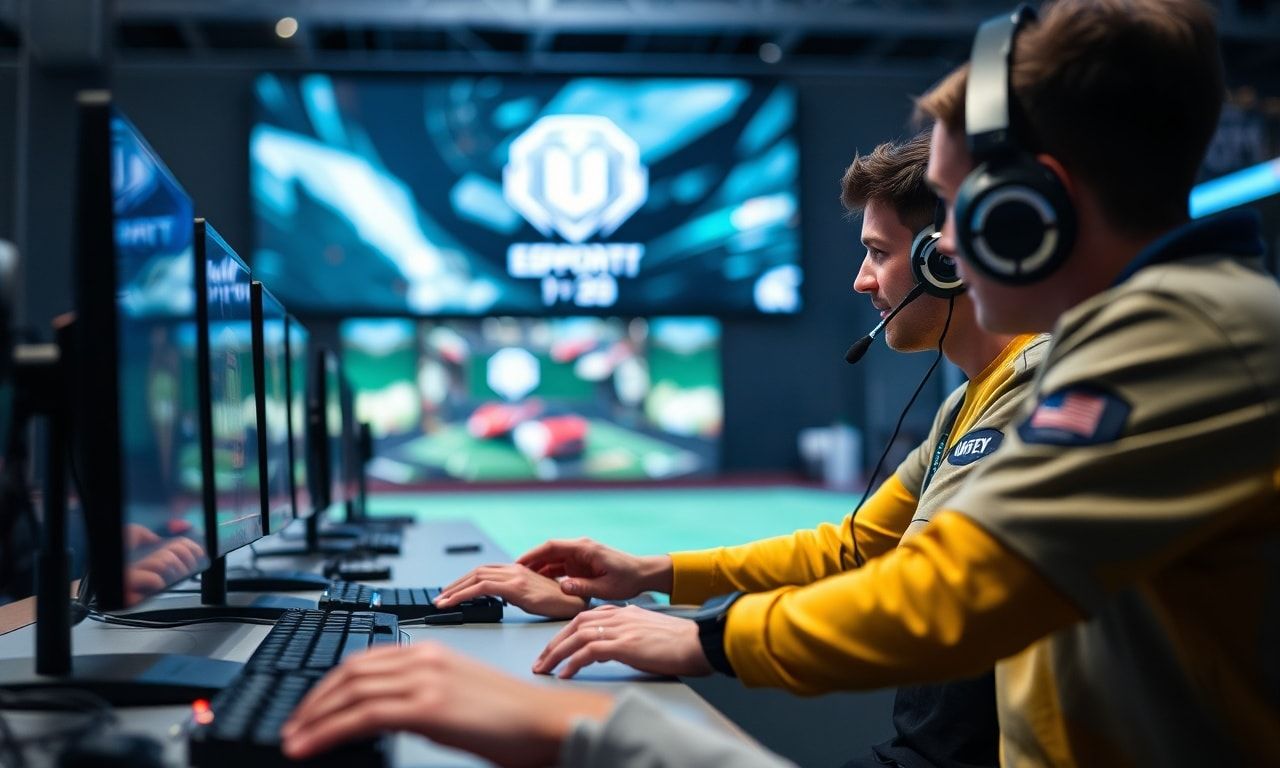
The Evolution of Esports
The world of sports has witnessed a remarkable transformation with the rise of esports. What began as casual gaming has evolved into a multi-billion-dollar industry, complete with professional players, organized leagues, and a dedicated fanbase. Esports has not only carved out its own niche but has also started to intersect with traditional sports in ways that were once unimaginable.
Esports, or electronic sports, refers to competitive video gaming. Games like League of Legends, Dota 2, Counter-Strike: Global Offensive, and Fortnite have become staples in the esports arena. These games require a high level of skill, strategy, and teamwork, much like traditional sports. The esports industry has seen exponential growth, with major tournaments offering prize pools that rival those of traditional sports events.
The Rise of Esports in Mainstream Culture
Esports has transcended its niche status and has become a mainstream phenomenon. Major cities around the world now host large-scale esports events, drawing thousands of spectators and millions of online viewers. The International, a premier Dota 2 tournament, has consistently broken records for the largest prize pools in esports history, often exceeding tens of millions of dollars.
The integration of esports into mainstream culture is evident in various ways. Professional athletes from traditional sports have started to invest in esports teams, recognizing the potential and the growing influence of this new form of competition. Additionally, mainstream media outlets now regularly cover esports events, further cementing its place in the sports landscape.
Esports and Traditional Sports: A Symbiotic Relationship
The relationship between esports and traditional sports is becoming increasingly symbiotic. Traditional sports organizations are starting to embrace esports as a way to engage with younger audiences and diversify their offerings. For instance, major sports leagues like the NBA, NFL, and FIFA have launched their own esports leagues or partnered with existing ones.
This intersection is not just limited to professional leagues. Colleges and universities are also recognizing the value of esports, establishing varsity esports teams and offering scholarships to talented gamers. The rise of esports has also led to the creation of new career opportunities, including roles in game development, event management, and sports journalism.
UK Sports Events and Tournaments News
For those interested in staying updated on the latest developments in both traditional and esports, UK sports events and tournaments news provides comprehensive coverage. This platform offers in-depth analysis, event schedules, and expert commentary, making it a valuable resource for sports enthusiasts.
The UK has been at the forefront of the esports revolution, hosting some of the most prestigious tournaments in the world. Events like Insomnia, London Games Festival, and the Intel Extreme Masters have attracted top-tier talent and massive audiences. The UK’s vibrant gaming community and robust infrastructure make it an ideal hub for esports events.
The Future of Esports
The future of esports looks incredibly promising. With advancements in technology, such as virtual reality and augmented reality, the esports experience is set to become even more immersive. These technologies could revolutionize how games are played and watched, offering new ways for fans to engage with their favorite teams and players.
Moreover, the global esports market is expected to continue its rapid growth. According to industry reports, the market could reach billions of dollars in the coming years, driven by increased investment, sponsorship deals, and the growing popularity of mobile esports. As esports continues to gain traction, it is likely to become an even more integral part of the global sports landscape.
The Impact on Traditional Sports
The rise of esports has had a profound impact on traditional sports. While some traditional sports purists may view esports as a threat, many see it as an opportunity for growth and innovation. Traditional sports organizations are increasingly looking to esports as a way to reach new audiences and create additional revenue streams.
For example, the NBA’s NBA 2K League has been a successful venture, attracting top talent and engaging fans through a unique blend of traditional basketball and esports. Similarly, the NFL’s partnership with EA Sports for the Madden NFL franchise has helped to bridge the gap between traditional sports and esports, creating a more inclusive and dynamic sports ecosystem.
Conclusion
The intersection of esports and traditional sports represents a new era of competition and collaboration. As esports continues to grow and evolve, it will undoubtedly shape the future of sports in ways we are only beginning to understand. For those interested in staying informed about the latest developments in both traditional and esports, resources like UK sports events and tournaments news provide valuable insights and updates. The future of sports is bright, and the integration of esports is set to make it even more exciting and dynamic.
As global economic conditions continue to shift, understanding their impact on regional markets is crucial; explore how these changes are affecting the Swiss property sector in our latest analysis.
In the realm of health and innovation, a new trend is emerging that combines the two seamlessly; explore how tech is transforming fitness in our latest feature.