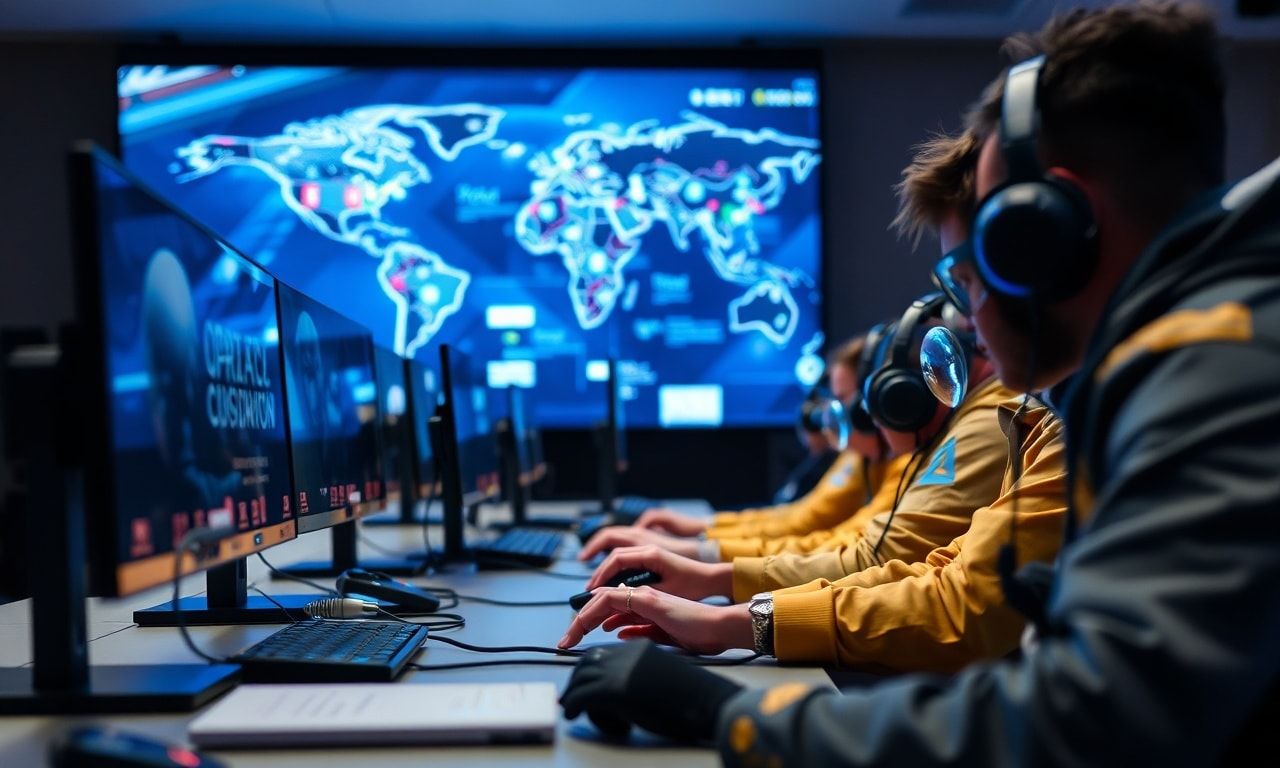
The Rise of Esports as a Global Phenomenon
The world of competitive gaming, or esports, has experienced exponential growth over the past decade. What began as niche competitions in basements and local arcades has evolved into a multi-billion-dollar industry with professional leagues, sponsorships, and a global fanbase. Esports events now fill stadiums and attract millions of viewers online, rivaling traditional sports in terms of viewership and revenue.
This surge in popularity has not gone unnoticed by governments and international organizations. Recognizing the cultural and economic significance of esports, many countries are investing in infrastructure, education, and policies to support the industry. The International Olympic Committee (IOC) has even explored the possibility of including esports in future Olympic Games, further legitimizing the sector on the world stage.
The Role of Esports in International Relations
Beyond its economic impact, esports is increasingly becoming a tool for international diplomacy. Competitions serve as a platform for cultural exchange, fostering understanding and collaboration among nations. Athletes from different countries come together, not just to compete, but to share experiences and build relationships that transcend borders.
For instance, the International Esports Federation (IESF) organizes the World Esports Championships, bringing together top players from around the globe. These events provide a unique opportunity for nations to engage in friendly competition, promoting goodwill and mutual respect. Moreover, esports can serve as a bridge between countries with strained political relations, offering a neutral ground for dialogue and cooperation.
Case Studies in Esports Diplomacy
One notable example is the use of esports as a diplomatic tool between South Korea and China. Both countries have a rich history in competitive gaming, with South Korea often referred to as the birthplace of esports. By participating in joint tournaments and exchanges, the two nations have been able to strengthen their cultural ties and promote mutual understanding.
Similarly, the Middle East has seen a rise in esports as a means of fostering regional cooperation. Countries like Saudi Arabia, the United Arab Emirates, and Egypt have invested heavily in esports infrastructure and events, creating a hub for gaming in the region. These initiatives not only boost the local economy but also promote peace and stability through shared interests and common goals.
The Impact of Esports on International Relations News Analysis
For those interested in the broader implications of esports on international relations, resources like international relations news analysis provide valuable insights. These platforms offer in-depth analysis on how esports is shaping global politics, economics, and culture. By understanding the nuances of this emerging field, policymakers, businesses, and enthusiasts can better navigate the complexities of the international esports landscape.
The Future of Esports in Global Diplomacy
As esports continues to grow, its role in international diplomacy is likely to expand. The industry’s ability to bring people together, regardless of nationality or political affiliation, makes it a powerful tool for promoting peace and cooperation. Governments and international organizations are increasingly recognizing this potential and are taking steps to integrate esports into their diplomatic strategies.
Looking ahead, we can expect to see more collaborations between countries in the realm of esports. Joint training programs, cultural exchanges, and international tournaments will become more common, further solidifying the industry’s place in global affairs. Additionally, the integration of virtual reality (VR) and augmented reality (AR) technologies into esports could open up new avenues for diplomatic engagement, allowing for immersive and interactive experiences that transcend physical boundaries.
Challenges and Considerations
While the future of esports in international diplomacy looks promising, there are challenges that need to be addressed. Issues such as cybersecurity, fair play, and the regulation of competitive gaming are critical areas that require attention. Ensuring a level playing field and protecting the integrity of competitions will be essential for maintaining the industry’s credibility and fostering trust among participating nations.
Moreover, the environmental impact of esports events, particularly in terms of energy consumption and waste generation, is a growing concern. As the industry continues to expand, it will be important to adopt sustainable practices and technologies to minimize its ecological footprint. By addressing these challenges proactively, the esports community can ensure that its positive contributions to international diplomacy are not overshadowed by negative consequences.
Conclusion
The intersection of esports and international diplomacy represents a fascinating and rapidly evolving field. As the industry continues to grow, its potential to foster cultural exchange, promote mutual understanding, and facilitate diplomatic engagement will only increase. By leveraging the power of competitive gaming, nations can build stronger relationships, overcome political barriers, and create a more connected and cooperative global community.
For those interested in staying informed about the latest developments in esports and international relations, resources like international relations news analysis provide valuable insights and analysis. By understanding the complexities of this dynamic field, we can better appreciate the role that esports plays in shaping the world of tomorrow.
As digital media continues to evolve, understanding the advancements in video conversion technology is crucial for journalists and media professionals; our guide explores the key developments in this field.
In the realm of sustainable development, Vermont’s renewable energy sector is making notable strides, as detailed in our latest report on state’s green energy progress.
As the fashion industry faces increasing scrutiny for its environmental impact, a new article explores the rise of eco-conscious clothing trends and their implications for consumers and manufacturers alike.