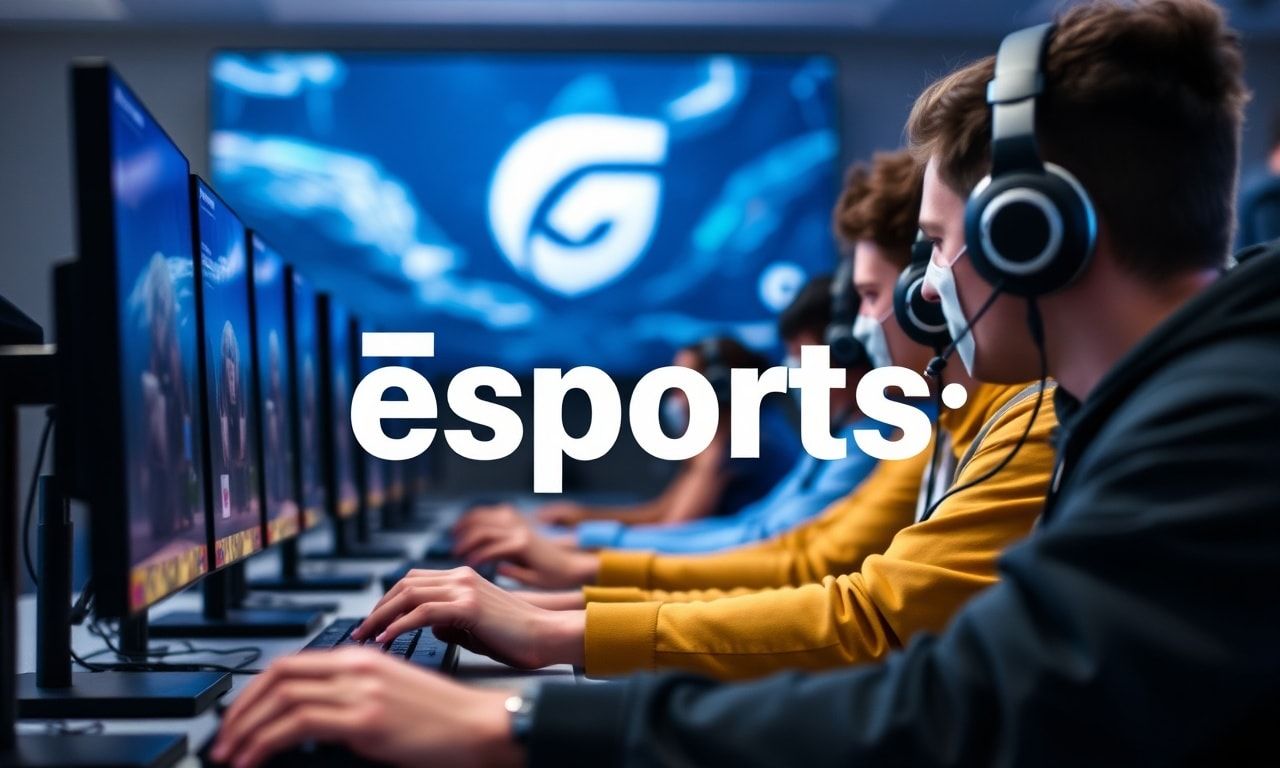
The Rise of Esports: A Global Sensation
The world of competitive gaming, known as esports, has undergone a remarkable transformation over the past decade. What once started as a niche hobby for a select group of enthusiasts has now burgeoned into a global phenomenon, captivating millions of viewers and generating billions in revenue. The esports industry has seen exponential growth, thanks to the advent of high-speed internet, advancements in gaming technology, and the increasing acceptance of gaming as a legitimate form of entertainment and sport.
Today, esports tournaments attract massive audiences, both online and offline. Events like The International, the League of Legends World Championship, and the Fortnite World Cup draw millions of viewers, rivaling traditional sports events in terms of viewership and prize money. The industry’s rapid expansion has led to the establishment of professional esports teams, leagues, and even dedicated esports arenas, further solidifying its place in the global entertainment landscape.
The Economic Impact of Esports
The economic impact of esports is undeniable. According to recent reports, the global esports market is projected to surpass $1.8 billion in revenue by 2022. This growth is driven by various revenue streams, including sponsorships, advertising, media rights, merchandise sales, and in-game purchases. Major brands and corporations have recognized the potential of esports, investing heavily in sponsorships and partnerships with esports teams and organizations.
Moreover, the rise of esports has created numerous job opportunities, ranging from professional gamers and coaches to event organizers, content creators, and analysts. The industry’s growth has also spurred the development of esports education and training programs, providing aspiring gamers with the skills and knowledge needed to succeed in this competitive field.
The Role of Technology in Esports
Technological advancements have played a pivotal role in the evolution of esports. High-performance gaming PCs, consoles, and peripherals have enabled gamers to push the boundaries of what is possible in competitive gaming. Additionally, the development of advanced gaming platforms and streaming services has made it easier for players to connect, compete, and share their experiences with a global audience.
One notable example of technological innovation in the gaming world is the rise of virtual reality (VR) and augmented reality (AR) technologies. These immersive technologies have the potential to revolutionize the way we experience and interact with games, offering new levels of engagement and realism. As VR and AR technologies continue to evolve, they are likely to play an increasingly important role in the future of esports.
Esports and Traditional Sports: A Growing Synergy
In recent years, there has been a growing synergy between esports and traditional sports. Many traditional sports organizations and leagues have recognized the potential of esports and have made significant investments in this burgeoning industry. For instance, major sports teams like the New York Yankees, Paris Saint-Germain, and the Golden State Warriors have established esports teams or invested in esports organizations, aiming to tap into the industry’s massive fan base and revenue potential.
Furthermore, the integration of esports into traditional sports events has become increasingly common. Events like the Olympic Games and the FIFA World Cup have explored the possibility of incorporating esports competitions, recognizing the growing influence and popularity of competitive gaming. This convergence of traditional sports and esports is expected to continue, fostering a more inclusive and diverse sporting landscape.
The Future of Esports: Challenges and Opportunities
Despite its rapid growth and success, the esports industry faces several challenges that must be addressed to ensure its long-term sustainability. One of the primary concerns is the lack of standardized regulations and governance structures. The industry’s fragmented nature has led to inconsistencies in rules, prize distributions, and player rights, which can create challenges for both players and organizations.
Another significant challenge is the issue of player well-being and mental health. The high-pressure environment of competitive gaming can take a toll on players’ physical and mental health, leading to issues like burnout, stress, and anxiety. Addressing these concerns will require a comprehensive approach, involving better support systems, mental health resources, and a greater emphasis on work-life balance for professional gamers.
Expanding the Esports Ecosystem
As the esports industry continues to evolve, there is a growing need to expand the ecosystem and create more opportunities for players, teams, and organizations. This includes the development of new games and genres, as well as the exploration of emerging technologies like VR, AR, and blockchain. Additionally, the industry must continue to invest in education, training, and infrastructure to support the next generation of esports talent.
Moreover, the esports community must work towards greater inclusivity and diversity, ensuring that the industry is accessible to players of all backgrounds and abilities. This includes addressing issues like gender disparities, racial discrimination, and the representation of underrepresented groups in esports. By fostering a more inclusive and diverse ecosystem, the industry can unlock new opportunities and create a more vibrant and dynamic competitive gaming landscape.
Motorcycle Enthusiasts and Esports
While esports has primarily focused on traditional video games, there is a growing interest in incorporating real-world hobbies and activities into the competitive gaming landscape. For instance, motorcycle enthusiasts have long been drawn to the thrill and excitement of racing games. The motorcycle review comparison guide has become an invaluable resource for both casual and competitive gamers looking to enhance their racing experiences. As the esports industry continues to diversify, we can expect to see more opportunities for motorcycle enthusiasts to engage in competitive gaming, further expanding the reach and appeal of esports.
The future of esports is bright, filled with both challenges and opportunities. As the industry continues to grow and evolve, it will be crucial for stakeholders to address the challenges head-on and capitalize on the opportunities that lie ahead. By doing so, the esports industry can continue to thrive, entertaining millions of fans and creating new possibilities for players, teams, and organizations worldwide.