The Evolving Landscape of Gaming
The gaming industry has undergone a significant transformation over the past few decades. From simple pixelated graphics and basic gameplay, we now have immersive virtual worlds that offer complex narratives and social interactions. This evolution has not only changed how we perceive entertainment but has also opened up new avenues for education and learning.
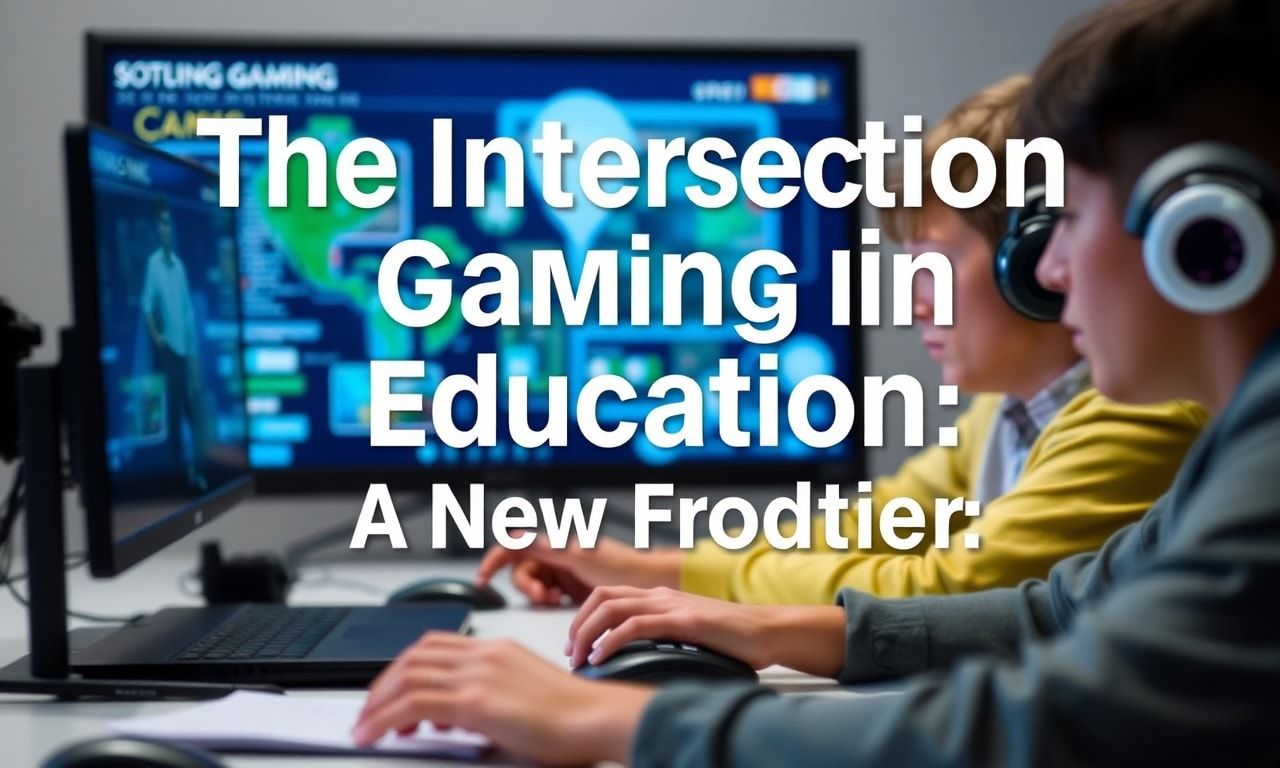
Gaming is no longer just about entertainment; it has become a powerful tool for education. The integration of gaming elements into educational platforms has created a new frontier where learning is not only effective but also engaging. This shift is particularly evident in the realm of art education, where digital platforms and online resources are revolutionizing how we teach and learn.
The Role of Gaming in Art Education
Art education has always been a hands-on discipline, but the advent of digital tools and online platforms has changed the game. Gamification of art education involves incorporating game-like elements into learning processes. This can include interactive tutorials, virtual art classes, and even competitive art challenges. These elements make learning more interactive and engaging, catering to different learning styles and preferences.
For instance, platforms offering art education resources online have seen a surge in popularity. These resources provide a wealth of knowledge and tools that cater to both beginners and advanced learners. They offer a variety of courses, from digital painting to 3D modeling, all accessible from the comfort of one’s home. This accessibility has democratized art education, making it available to a broader audience.
Benefits of Gamified Learning
The benefits of gamified learning are manifold. Firstly, it enhances engagement. Traditional learning methods can sometimes be monotonous, but gamification introduces elements of fun and competition, making the learning process more enjoyable. This is particularly beneficial for younger learners who may find traditional art classes less engaging.
Secondly, gamified learning promotes active participation. Students are not merely passive recipients of information; they are actively involved in the learning process. This active engagement leads to better retention of information and a deeper understanding of the subject matter.
Lastly, gamified learning provides immediate feedback. In traditional settings, feedback is often delayed, which can hinder the learning process. However, in gamified environments, students receive instant feedback on their performance, allowing them to make immediate adjustments and improvements.
The Future of Gaming in Education
The future of gaming in education looks promising. As technology continues to advance, we can expect to see even more innovative ways of integrating gaming elements into educational platforms. Virtual reality (VR) and augmented reality (AR) are already being explored as tools for immersive learning experiences. These technologies have the potential to transport students into virtual art studios, museums, and galleries, providing a rich and interactive learning environment.
Moreover, the rise of artificial intelligence (AI) is set to revolutionize personalized learning. AI can analyze a student’s performance and adapt the learning content accordingly, providing a tailored educational experience. This personalization can significantly enhance the effectiveness of art education, catering to individual strengths and weaknesses.
Challenges and Considerations
Despite the numerous benefits, there are also challenges and considerations to keep in mind. One of the main challenges is ensuring that the gamification of education does not compromise the quality of learning. It is essential to strike a balance between fun and education, ensuring that the learning objectives are not overshadowed by the game-like elements.
Another consideration is the digital divide. While online platforms and digital tools have made education more accessible, there is still a significant portion of the population that lacks access to these resources. Addressing this digital divide is crucial to ensure that the benefits of gamified learning are available to all.
Lastly, there is the issue of screen time. With the increasing reliance on digital tools, there is a growing concern about the impact of excessive screen time on health and well-being. It is important to promote a healthy balance between digital and non-digital activities, ensuring that students have a well-rounded educational experience.
Conclusion
The intersection of gaming and education represents a new frontier with immense potential. The gamification of art education, in particular, has opened up new avenues for learning, making it more engaging, interactive, and accessible. As technology continues to advance, we can expect to see even more innovative ways of integrating gaming elements into educational platforms. However, it is essential to address the challenges and considerations to ensure that the benefits of gamified learning are available to all. The future of gaming in education is bright, and it is an exciting time to be part of this evolving landscape.
As remote work continues to reshape employment landscapes, London’s evolving job market dynamics offer a fascinating case study in adaptation and change.
As educational systems worldwide adapt to new challenges, future skills in demand offers an in-depth look at the competencies students will need to thrive in tomorrow’s job market.
As the creative industries continue to evolve, exploring art and entertainment’s convergence offers a timely look at their impact on current cultural trends.