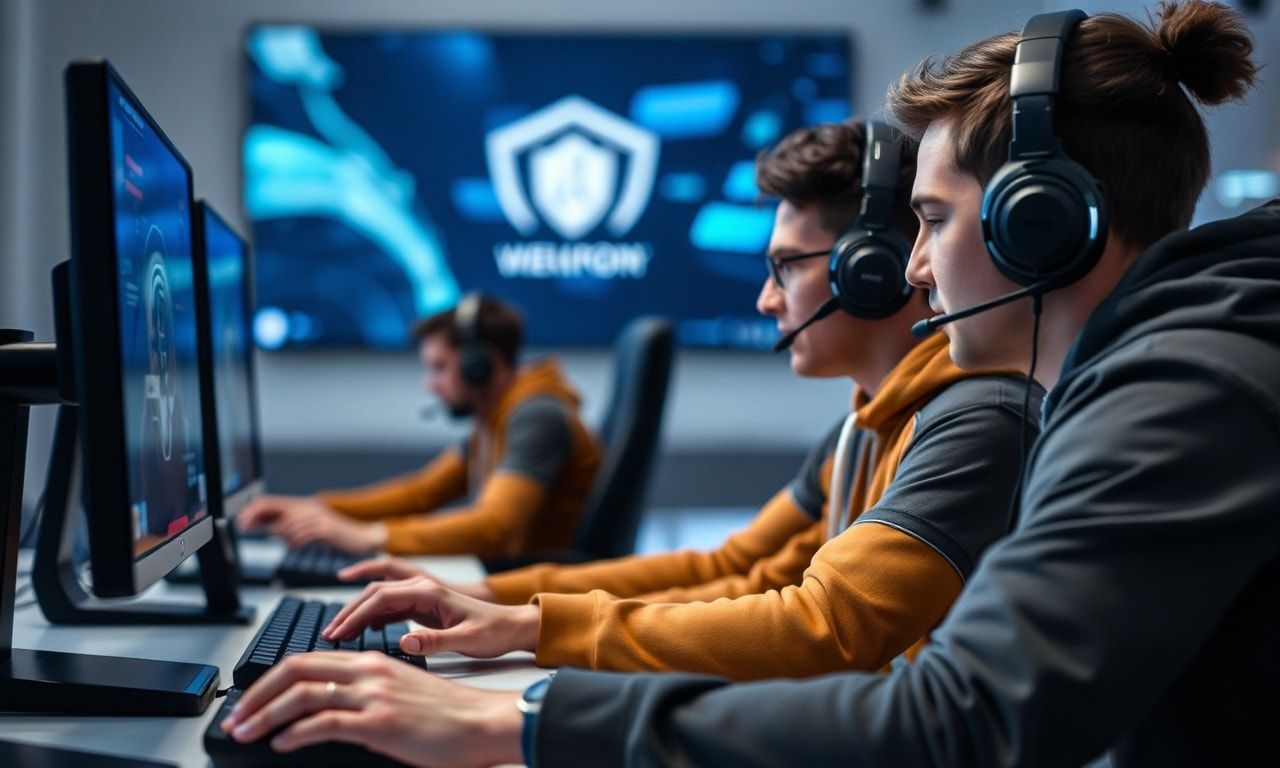
The Rise of Esports and Health Concerns
The esports industry has seen exponential growth over the past decade, with professional gamers achieving celebrity status and earning substantial incomes. However, as the industry evolves, so do the health concerns associated with the intense and sedentary nature of competitive gaming. Esports athletes are increasingly recognizing the importance of maintaining their physical and mental well-being to sustain long-term success in their careers.
Physical Health Challenges
Professional gamers often spend countless hours training and competing, which can lead to a variety of physical health issues. Repetitive strain injuries, such as carpal tunnel syndrome and tendonitis, are common among esports athletes due to the extensive use of keyboards and mice. Additionally, prolonged sitting can contribute to poor posture, back pain, and other musculoskeletal problems. To mitigate these risks, many gamers are incorporating regular exercise and ergonomic setups into their routines.
Mental Health and Stress Management
The high-pressure environment of competitive gaming can take a toll on mental health. Esports athletes often face intense stress, anxiety, and burnout, which can negatively impact their performance and overall well-being. To address these challenges, many players are seeking professional help, such as therapists and counselors, to manage stress and maintain mental resilience. Furthermore, the esports community is increasingly advocating for mental health awareness and support, fostering a more open and supportive environment for athletes.
In addition to professional support, gamers are exploring various stress-relief techniques, such as meditation, yoga, and mindfulness practices. These activities not only help in reducing stress but also improve focus and concentration, which are crucial for competitive gaming. Some esports organizations are even integrating wellness programs into their training regimens, recognizing the importance of a holistic approach to athlete care.
Nutrition and Diet
Proper nutrition plays a vital role in the performance and health of esports athletes. A balanced diet rich in nutrients can enhance cognitive function, improve energy levels, and support overall well-being. Many professional gamers are now working with nutritionists to develop personalized meal plans that cater to their specific needs. This includes incorporating foods that boost brain function, such as omega-3 fatty acids, antioxidants, and complex carbohydrates.
Hydration is another critical aspect of maintaining optimal performance. Dehydration can lead to fatigue, headaches, and decreased concentration, all of which can negatively impact gaming performance. Esports athletes are encouraged to drink plenty of water throughout the day and to avoid excessive consumption of caffeinated beverages, which can contribute to dehydration and sleep disturbances.
Sleep and Recovery
Quality sleep is essential for cognitive function, memory consolidation, and overall health. Esports athletes often have irregular sleep patterns due to late-night training sessions and competitions. To combat this, many gamers are prioritizing sleep hygiene by establishing consistent sleep schedules, creating a restful environment, and avoiding screens before bedtime.
Recovery is equally important for esports athletes. Techniques such as massage therapy, physical therapy, and foam rolling can help alleviate muscle tension and promote recovery. Some gamers are also exploring alternative therapies, such as acupuncture and chiropractic care, to address specific health concerns and improve overall well-being.
The Role of Technology in Health Monitoring
Advancements in technology are playing a significant role in monitoring and improving the health of esports athletes. Wearable devices, such as fitness trackers and smartwatches, can provide valuable insights into an athlete’s physical activity, heart rate, and sleep patterns. This data can be used to optimize training regimens, identify potential health issues, and make informed decisions about recovery and performance.
Virtual reality (VR) technology is also being utilized to enhance the training and rehabilitation of esports athletes. VR simulations can provide immersive and interactive environments for practicing game strategies, improving reflexes, and even addressing specific health concerns, such as a hair transplant for crown area and other cosmetic procedures that can boost confidence and mental well-being.
Community and Support
The esports community is increasingly recognizing the importance of supporting the health and well-being of its athletes. Organizations, teams, and individual players are coming together to advocate for better health practices, mental health awareness, and access to professional support services. This collective effort is helping to create a more sustainable and supportive environment for esports athletes.
In conclusion, the intersection of health and gaming is a critical area of focus for the esports industry. As the industry continues to grow, it is essential for athletes, organizations, and the broader community to prioritize health and well-being. By addressing physical and mental health challenges, promoting proper nutrition and sleep, leveraging technology, and fostering a supportive community, esports athletes can achieve long-term success and sustain a healthy lifestyle.