
How to publish an event in Rome: a practical guide for reporters
A practical, factual guide for news teams on publishing events in Rome, from planning to posting, with clear steps and cautionary notes.

If you cover breaking news from Rome, publishing an event requires precise steps that ensure accuracy and timeliness. This guide explains how to verify details, coordinate with local sources, and publish a clear notice that serves readers and respects newsroom standards. Readers will learn what to confirm before posting and how to present the essential facts without hype.
The guide then walks through the preparation, the posting process, and practical options for different platforms. It emphasizes verification, sourcing, and transparency, so readers can trust the information and newsroom editors can defend its public value. Expect concrete checks, sample phrasing, and a realistic workflow that fits a busy newsroom.
Finally, the piece explains potential pitfalls and how to avoid them, from misidentification to outdated information. It also offers tips for rights management, update practices, and reader-facing notes that improve comprehension. The goal is a clear, repeatable process readers can apply to similar events in Rome.
- Publishers should verify key facts with multiple sources and clearly attribute them. Present events with a direct lead, followed by concise context. Use consistent language across channels and plan for updates. Avoid speculation and error by pausing for confirmation when needed.
- When publishing, choose the format that matches reader needs and event scale. Provide visuals and maps where helpful, and keep a transparent update trail. Corrections should be visible and timely.
- Readers gain practical steps to verify, publish, and update Rome events responsibly. The guide emphasizes verification, sourcing, and reader clarity over speed alone.
- The article offers concrete templates for alerts, follow-ups, and corrections to support newsroom workflows and reader trust.
Foundations for publishing in Rome
Verifying event details
Start by confirming what happened, when, and where with at least two independent sources. Cross-check dates, venues, and names against official channels. Write the core facts in plain language so readers grasp the event at a glance. pubblicare un evento a Roma in a news post should start with exact details and a brief context.
- Collect primary details from two independent sources
- Validate venue, time, and organizer name
- Record dates of any updates or corrections
- Clearly attribute every fact to a source
In practice, create a one-sentence summary and a longer paragraph with context. If a venue changes time, note the update and its effective date. Always attribute information to its source and avoid conjecture.
A short note on potential discrepancies helps editors decide what to publish now and what to hold for later updates.
- Identify the event’s exact time and location
- Confirm sponsor or organizer names
- Record any official statements
- Note access or ticketing details
- Preserve source anonymity if required
Choosing publication channels
Assess which channel best serves readers: a quick alert, a full bulletin, or a feature with background. Match the format to the event’s scale and public interest. Keep the core facts consistent across platforms to avoid confusion.
Prepare a brief push notification or headline that reflects urgency without overstating risk. In longer posts, add a concise lead that answers who, what, when, where, and why it matters.
Plan for future updates: indicate when a story will be revised and where readers can find it. This helps maintain trust and reduces after-publication corrections.
- Decide between a short alert or a full report
- Keep facts consistent across channels
- Plan for updates and corrections
- Provide reader-facing context in each format
What readers need to know about Roma notizie
Basic facts to present
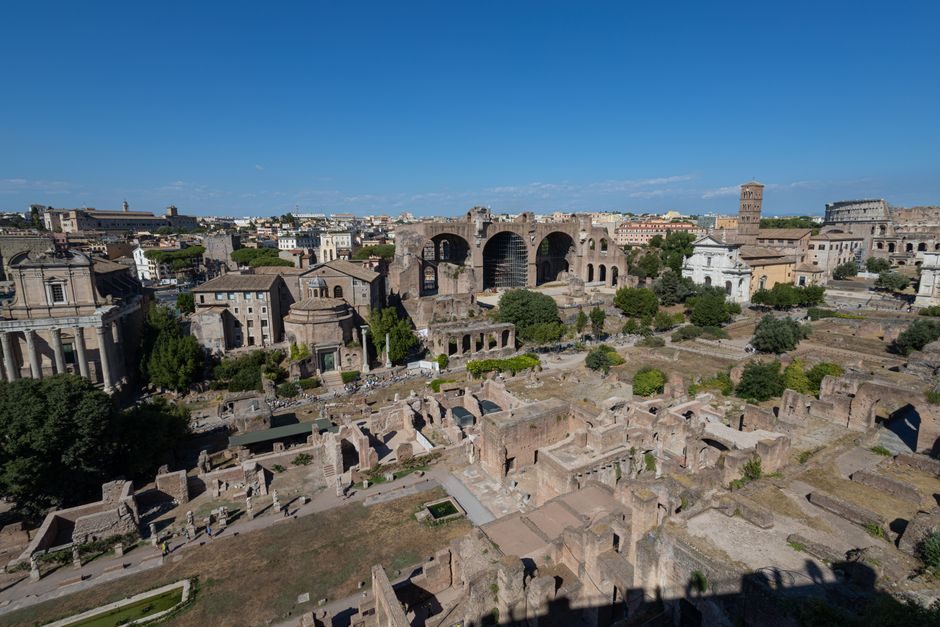
Lead with the event’s headline, location, date, and a sentence that explains its significance. Then add a short paragraph with context, such as expected attendance or impact on nearby traffic. Readers should leave with a clear picture of what happened and why it matters. Roma notizie coverage benefits from multi-source verification and clear sourcing.
- ☐ Lead with the essentials: what, where, when
- ☐ Explain why it matters to Rome
- ☐ Flag known uncertainties early
- ☐ Offer sources for further details
Avoid speculation or crowd estimates that aren’t sourced. If numbers aren’t available, state that clearly and provide a timeline for updates. Use simple, direct language and avoid sensational phrasing.
Provide a link to official sources when possible and explain any terms that may be unfamiliar to a general audience.
- Headline, date, location first
- Context on impact or relevance
- Sourcing and attributions visible
- Avoid unverified numbers
- Clear explanations for readers
Sourcing and transparency
Cite multiple sources to demonstrate reliability, especially for live events. Include any corrections or updates as they occur. Transparency about limitations helps maintain credibility.
Describe the event from multiple angles when possible, including official statements and independent eyewitness accounts. If sources disagree, report the different versions without choosing a side.
End with practical reader takeaways: where to find official updates and how to verify new information independently.
- Use at least two sources
- Report discrepancies clearly
- Note updates and corrections
- Provide where readers can independently verify facts
Options for publishing timelines and formats
Immediate alert vs. in-depth follow-up
For fast-moving events, publish a brief alert with the essentials and plan a fuller update. The initial post should be accurate and free of speculation. Schedule subsequent pieces to add context and evidence. elenco attività commerciali a Roma entries need accurate business listings with current status and location.
In-depth follow-ups can include background on the venue, the organization, and potential impact. Use graphics or maps to clarify location and routes affected by the event.
Coordinate timing with editors and photographers to ensure visuals align with the text. Time updates clearly so readers know what changed since the last report.
- Publish a concise alert first
- Schedule follow-ups with more detail
- Provide visuals to aid understanding
- Coordinate timing across teams
| Option | Strengths | Risks |
|---|---|---|
| Immediate alert | Fast reader notice | Higher chance of missing details |
| In-depth follow-up | More context for readers | Takes longer to publish |
| Visuals and maps | Improves clarity | Requires additional assets |
Plan for corrections and updates
Live events often evolve. Set a standard for how corrections will be handled, including when to update the story and how to note those changes. Readers should see a clear trail of edits.
Maintain a changelog or update line in the piece so readers can track what changed. Avoid over-editing and preserve original meaning.
Prepare a quick template for corrections to speed newsroom workflow while keeping accuracy intact.
- Establish a correction policy
- Show edits with timestamps
- Use a revision log
- Keep original intent intact
If a bus route or traffic advisory is involved, confirm it with the local transit agency.
Pitfalls to avoid in Rome reporting
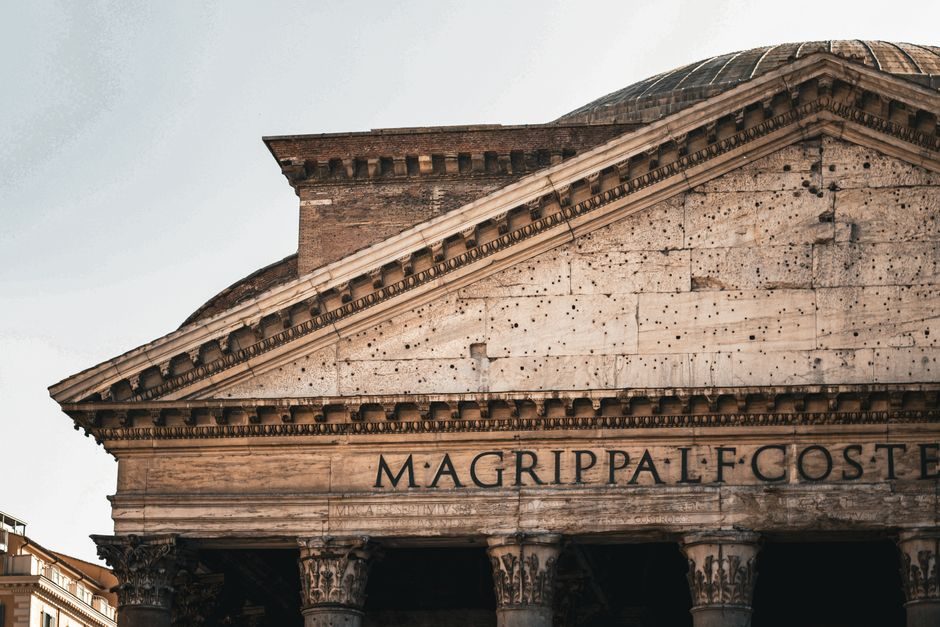
Misidentifying events or venues
Double-check the exact venue and scope of the event, especially when multiple activities happen nearby. A mislabelled venue can mislead readers and disrupt navigation. pubblicare un’offerta di lavoro a Roma requires precise job details, location, and application instructions.
Cross-check street names and landmarks with official maps. If a bus route or traffic advisory is involved, confirm it with the local transit agency.
When in doubt, pause and request a delay rather than publish incorrect details. Errors undermine trust and require corrections that are visible to readers.
- Verify venue and event scope
- Cross-check landmarks and routes
- Confirm transportation details
- Avoid publishing before verification
Ethical and legal considerations
Respect privacy and avoid publishing personal data without consent. For events with sensitive security considerations, follow newsroom policies on risk and attribution.
Attribute official statements and avoid implying endorsement by authorities. When asking for comment, provide fair time for responses.
Respect copyright and use only approved images or licensed visuals. When in doubt, use generic stock images rather than branded shots.
Impact on local communities
Community impact relevance
This sub-section explains why publishing events in Rome matters to residents and local stakeholders, with concrete examples like neighborhood gatherings or cultural initiatives. It emphasizes how timely coverage can shape public discussion and attendance. Readers learn to assess a story’s effect on nearby businesses, transit, and public space usage. annunci funebri a Roma are sometimes listed in local calendars; check municipal notices for official times and locations.
- Missing local voices and permissions; instead, seek input from neighborhood associations and venue managers
- Overlooking public safety or noise impacts; outline how organizers will mitigate concerns
- Failing to connect event details to nearby residents’ daily routines; describe concrete changes or options
The analysis includes practical steps: identify the event’s organizers, map its footprint across districts, and estimate crowd dynamics. It reminds reporters to verify how residents might benefit or be affected, from safety concerns to traffic changes. The goal is to translate notification into accountable, useful reporting.
- Identify the organizers and venue
- Assess local impact zones
- Check transportation impacts
- Highlight community voices
Technology and news delivery

Digital workflow choices
This section covers the best ways to publish events using Roma-specific channels and standard online workflows. It offers practical steps for drafting, editing, and timestamping stories so they remain accessible across devices. The aim is to ensure clarity and reliability in fast-moving situations.
It also covers archival approaches: tagging events properly, attaching location data, and linking to official calendars or municipal notices. Reporters learn to balance speed with accuracy, avoiding rushed edits that introduce errors. The guidance includes a quick checklist for post-publication updates when new details emerge.
The section closes with a reminder to document sources and maintain transparency about changes to the initial report, helping readers trust ongoing coverage.
- Use a shared editorial draft to coordinate with editors
- Tag events with location and date metadata
- Publish follow-up updates as new facts emerge
Ethics and accountability
Transparency and sourcing
This sub-section examines how to disclose sources and methods without compromising safety or privacy. It provides concrete examples of when to use on‑the‑record quotes and when to summarize public statements. The emphasis is on verifiable facts and clear attribution.
It also discusses the balance between reporting quickly and verifying claims, with steps like cross-checking with municipal notices or official calendars. Reporters are guided to report uncertainties as such and to avoid presenting rumor as fact. The objective is responsible, precise storytelling.
Finally, the section reinforces accountability: editors should review sourcing choices and publish corrections promptly if a detail turns out inaccurate.
- Cite official calendars or notices
- Distinguish between on-the-record and background information
- Publish corrections promptly
Future-proofing event coverage
Sustainable coverage strategies
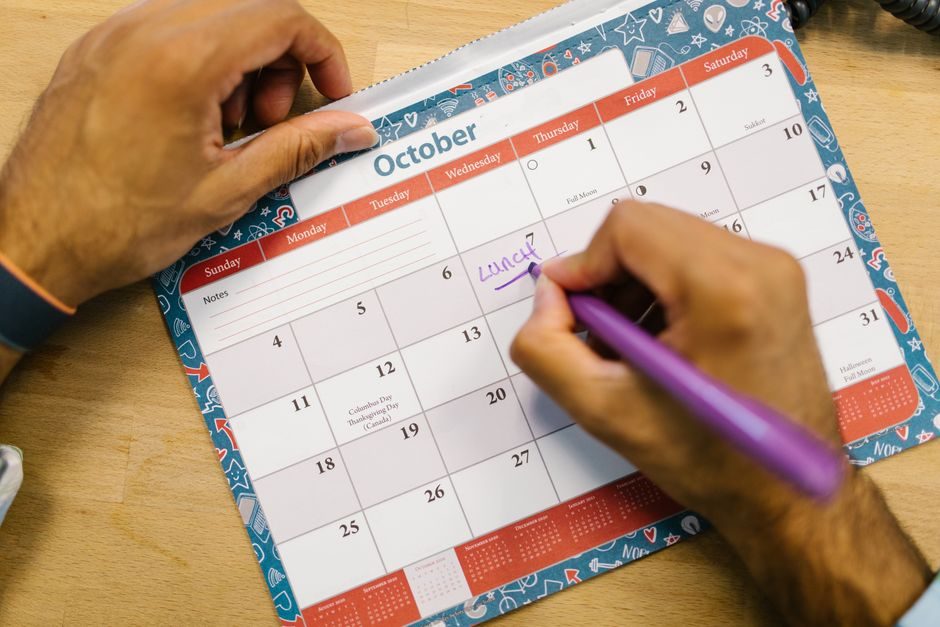
This part outlines how to build a coverage plan that remains useful beyond a single event. It suggests creating evergreen materials like timelines, contact lists, and venue histories that editors can reuse. The approach helps readers track recurring events or seasonal shifts in the city.
- Plan with evergreen materials
- Keep templates flexible
- Refresh sources routinely
It recommends structuring reports to support updates over days or weeks, including separate pages for schedules, safety advisories, and accessibility notes. Journalists learn to keep a flexible template that adapts to changing circumstances while preserving accuracy. The final aim is to reduce last-minute scrambling and improve consistency.
The closing notes emphasize ongoing education: maintain relationships with local officials and organizers, and refresh the repository of sources to support future stories.
- Create reusable calendars and contact lists
- Maintain modular story templates
- Update source rosters regularly
Frequently asked questions
Who qualifies as a primary source for Rome events?Primary sources include event organizers, municipal calendars, venue managers, and official notices. When possible, confirm statements with more than one source, and clearly attribute each claim to its origin. If information is time-sensitive, indicate when it was last verified and what will be updated if needed.
How should changes to an event be communicated?Publish an immediate update with the new details, including what changed and why. Provide a brief explanation of any impact on attendees, safety, or schedule. If a later correction is required, publish it promptly with a link to the original story.
What defines a local impact in Rome coverage?Local impact focuses on nearby residents, businesses, transit, and public spaces affected by the event. Reporters should describe practical consequences, such as detours, crowd management, and noise considerations, and invite community voices when appropriate.
How can readers verify information quickly?Point readers to official calendars, municipal notices, and the event’s own communications channels. Use clear attribution and provide direct references or contact points for further questions, ensuring readers can follow up if details change.
Closing notes for ongoing coverage
Readers come away with a clear understanding of how to verify event details, communicate changes, and assess local impact. The next step is to build a reusable framework for Rome event reporting that can adapt to seasons and city dynamics. Reporters should start by compiling a master calendar and contact list that stay current.
With this approach, Roma coverage becomes more predictable and reliable. Editors can rely on consistent templates and transparent sourcing when new events arise, reducing friction in fast-moving situations and keeping readers informed with accuracy and speed. The ongoing goal is responsible, efficient journalism that serves the public interest.
Add Online Gaming News as a preferred source on Google


