
How to announce a death in Spain: practical, newsroom-ready steps
A concise guide for readers on how to report a death in Spain, with clear steps, cautions, and options for accurate, sensitive coverage.

When a death becomes news, accuracy and sensitivity matter. This guide explains how to announce a death in Spain in a way that serves readers and respects families. It covers the practical steps, what to include, and where to publish for reliable coverage.
Newsrooms must balance timeliness with verification and ethics. The following sections outline a clear process, from initial confirmation to public notices, with concrete examples. Readers will gain a practical checklist they can adapt to different outlets.
The aim is to demystify the process for online editors and reporters, showing what information is essential and how to avoid common mistakes. By following these steps, a newsroom can produce a respectful, accurate notice that informs without sensationalism.
- Publishers should verify all essential facts before publishing a death notice. Use official sources and obtain family consent when possible. Include clear attribution and context to support reader understanding. Keep updates flowing as details change to maintain accuracy.
- Structure notices for clarity: begin with verification, then public relevance, then practical details. Use concise language and avoid speculation. Balance timeliness with sensitivity to families and communities.
- Plan for multiple formats: a concise online notice with follow-up stories or linked resources. Update the notice as new information becomes available and ensure consistency across channels.
- The result is a reliable, respectful notice that informs readers about the event, its local significance, and practical steps for condolences or attendance.
Basics of reporting a death in Spain
Confirm the news carefully
Initial reports require corroboration from reliable sources such as officials, hospitals, or family confirmed to the newsroom. Verify the person’s full name as spelled in official records and confirm date and location of death. If details are pending, note that clearly to avoid misinformation. anunciar un fallecimiento en España is a direct task rather than a headline; editors should prepare a careful notice with verified details.
In practice, editors should request a statement from the family or a hospital communications office, and cross-check with local authorities. This reduces the risk of publishing premature or incorrect information.
- Verify source credibility
- Record exact names and dates
- Note uncertainties clearly
- Document where information came from
Determine public interest
Not every death is newsworthy on every platform. Consider the public’s right to know about notable figures or local impact, such as public figures, institutions, or events. For routine deaths, a brief obituary or local notice may suffice.
Assess whether the information informs readers about safety, public services, or community response. If doubt remains, discuss with editors to decide on prominence and placement.
- Is there public impact?
- Does it affect the community?
- Is the information verifiable?
- Choose appropriate prominence
Notification options for publication

Official notices and press releases
Many announcements come via official channels, including health departments or municipal communications offices. These sources provide standardized language that can be quoted with attribution. Always verify before republishing. A useful resource on this topic: Tienda Gourmet España noticias.
In Spain, agencies may issue notices in compliance with local regulations; use these as the backbone of the announcement to ensure consistency and legality.
If you publish a generic notice, add context about the individuals affected and the community impact to help readers understand why the news matters.
- Attribution to source
- Quoting official language
- Verification before use
- Contextualize for readers
Localized notices and community alerts
Local newspapers often run shorter notices focused on time, place, and funeral details. These fill a need for neighbors and colleagues seeking information. Ensure the details are accurate and consent from families is obtained.
Consider updating the notice as details change, or when services are announced. This keeps readers informed without duplicating content.
Prepare a follow-up item if new information becomes available, such as memorial services or charity requests.
- Include essential details
- Obtain family consent
- Update as details change
- Provide follow-up information
Ethical and legal considerations
Privacy and consent
Respect privacy when reporting. Obtain consent for sensitive details and avoid speculative or intrusive questions. When minors or vulnerable individuals are involved, limit information to what is appropriate for general audiences. A useful resource on this topic: inscribir un evento en España.
- Respect family wishes
- Limit personal details
- Follow local laws
- Be transparent about sources
Publishers should adhere to local privacy laws and workplace policies to avoid legal risk. Verify what is acceptable with editors and legal counsel if needed.
Transparency about sources and methods helps maintain trust with readers and families alike.
- Obtain family consent
- Limit sensitive details
- Consult legal if unsure
- Be transparent about sourcing
| Option | Pros | Cons |
|---|---|---|
| Official notices | Authoritative, verifiable | May be slow to publish |
| Local notices | Immediate relevance | Limited reach |
| Brief obituaries | Concise for readers | Less context |
Rights and responsibilities in reporting
Newsrooms have a responsibility to report accurately without sensationalism. Use neutral language and avoid speculation about causes or circumstances until confirmed. This protects both readers and the subject’s family.
Provide clear attribution for any quotes or information obtained, and distinguish between confirmed facts and rumors. Consider issuing a brief editor’s note if information evolves.
When in doubt, pause and verify rather than publishing hurriedly, especially in sensitive cases.
- Neutral language
- Clear attribution
- Differentiate fact from rumor
- Pause to verify
If public interest is tied to a role or event, explain that connection plainly and without speculation.
Accompanying information and notices

Background context for readers
Offer brief context about the individual’s life or public role if appropriate and verified. Avoid embellishment and stick to verifiable facts only. A short bio helps readers understand impact. A useful resource on this topic: directorio local en España.
- ☐ Provide verified life details
- ☐ Explain relevance to readers
- ☐ Share practical details only
If public interest is tied to a role or event, explain that connection plainly and without speculation.
Conclude with practical details readers may need, such as funeral information or how to send condolences.
- Provide verified context
- Explain public relevance
- Include practical details
- Avoid embellishment
Publication timing and platform choices
Choose timing based on newsroom workflow and audience needs. Late alerts may be followed by more detailed obituaries as information becomes available. Publish concise notices online with updates as needed.
If a family prefers limited public elements, honor that while keeping essential information accessible. Adapt the length and placement to the outlet’s style guide.
Coordinate with social media teams to avoid conflicting messages and ensure consistency across channels.
- Timely but accurate
- Update as details change
- Respect family wishes
- Coordinate channels
Ethical standards in practice
Maintaining sensitivity and accuracy
In newsroom practice, sensitivity guides how information is presented, avoiding sensational language and respecting grieving families. Reporters verify facts with reliable sources and cross-check details before publication. This approach helps maintain trust and reduces harm to those affected by a death in Spain. segunda mano en España
- Identify the official source confirming the death.
- Explain how the notice will be used by readers.
- Offer to publish updates only after verification.
- Provide a contact method for corrections or withdrawal.
Ethical reporting also means providing context without speculation, clearly distinguishing between confirmed facts and unverified rumors. When possible, cite official records or statements from authorities. The tone remains factual and compassionate, not lurid or intrusive.
- Verify death notice with official sources
- Avoid speculation or unverified claims
- Protect the privacy of living relatives
- Provide contact information for corrections
- Use neutral, precise language
Legal steps for online notices

Compliance with Spanish norms
Online notices must comply with applicable Spanish laws governing obituaries, privacy, and media responsibility. Newsrooms check that announcements respect data protection rules and do not disclose sensitive information without consent. Editors ensure notices are accurate in names, dates, and relations to the deceased.
Legal checks also cover consent from immediate family or executors when publishing a death notice. If a public or institutional death occurs, guidelines clarify what can be stated and what requires consent. The newsroom’s legal desk weighs potential harm against the public value of the information.
Finally, notices should indicate their source and any required disclaimers, such as limitations on reuse of content. This transparency helps readers understand the notice’s provenance.
- Confirm consent where required
- Verify identities and relationships
- Disclose source of information
- Include necessary disclaimers
- Adhere to privacy rules
Managing corrections and updates
Handling changes publicly
Newsrooms maintain a clear policy for corrections to obituaries, including spelling, dates, and familial details. When new information emerges, editors update the notice promptly and document the change for readers. Transparency about edits helps preserve trust and accuracy.
Corrections are framed neutrally, with a brief note explaining what was changed and why. Readers expect a straightforward record rather than redesigned headlines. The process should be consistent across all publication channels, including website and social feeds.
Finally, there should be an accessible way for readers to report errors, with a quick turnaround from the editorial team. This reduces the spread of outdated or incorrect information.
- Publish a correction notice alongside the updated content
- Maintain an audit trail of edits
- Explain changes clearly to readers
- Provide a simple error-reporting path
- Keep associated data (dates, spellings) current
Reader-centric obituary formats
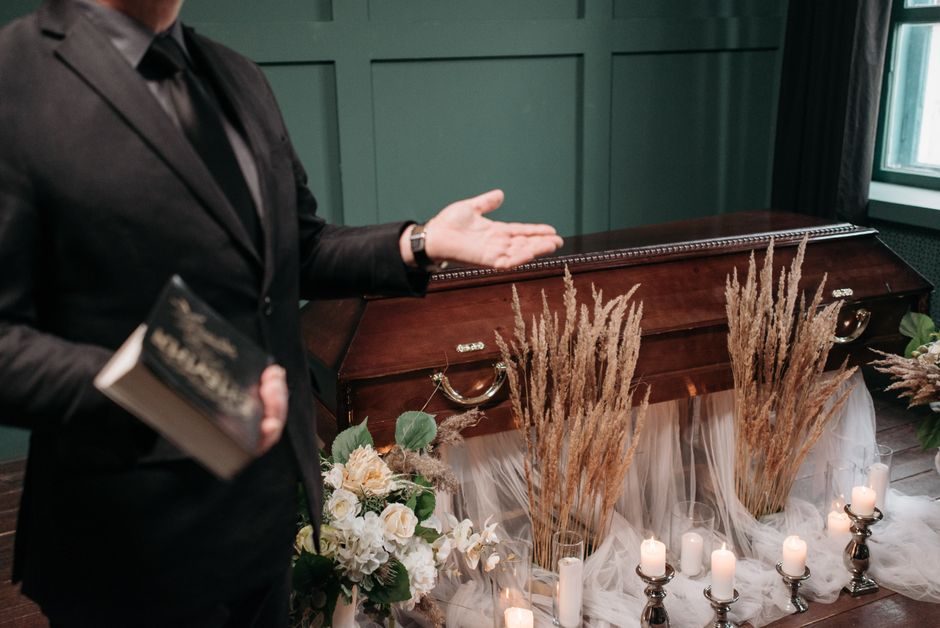
Crafting clear notices for readers
Obituary notices should be structured for quick reading: essential facts first, followed by context and service information. Use short paragraphs and straightforward language so readers can skim for needed details. Practical details, such as time, venue, and appointment instructions, appear early in the notice.
- Date and place of death
- Full name and relation to family
- Funeral or memorial details
- Where to send condolences or RSVP
Publishers balance brevity with empathy, avoiding boilerplate text. When space allows, provide short biographical items that help readers remember the person without sensational detail. The layout should remain consistent across postings to support reliable reader expectations.
Consider accessibility, using readable fonts and alt text for images where appropriate. Clear headings and bullet points can guide readers to critical information like services, condolences, and contact points for further questions.
- Lead with essential facts
- Use a consistent layout
- Include service details early
- Offer a brief, respectful bio
- Ensure accessibility considerations
Frequently asked questions
Who can publish a death notice online?Publishers typically handle notices on official platforms after confirming consent and accurate details from the family or their executor. The newsroom checks questions such as relationships, dates, and required services before posting. This process reduces errors and protects privacy.
How quickly can a notice appear after a death is confirmed?Once the death is verified and consent is obtained, notices can appear in the same day or within 24 hours. The timeline depends on the availability of the family representative and the newsroom’s workflow for approvals and formatting.
What information should be avoided in notices?Avoid sensitive personal data beyond what is necessary for public notification. Refrain from speculative details or unverified claims. Exclude private addresses or sensitive health information unless explicitly requested by the family for public sharing.
How can readers report errors?Readers can use the newsroom’s correction path, which typically includes a contact email or form. Provide specific information such as the notice’s date, the name as published, and the incorrect detail to speed verification and updates.
Conclusion
In Spain, publishing an online death notice follows careful checks for accuracy and consent. Newsrooms prioritize clear, verifiable information and respectful language. The best next step is to contact the relevant family representative or the designated newsroom editor to begin the notice process.
Publishers should prepare to receive updates if details change, and readers should use provided contact paths for corrections or questions. A well-structured notice supports readers seeking practical information and remembers the person with dignity.
Add Online Gaming News as a preferred source on Google


